Sanctuary Family Connections

Our specialty

Young adults coming out of care.

Sanctuary started in out-of-home care transitions, supporting participants with complex backgrounds and long-term placement instability. Over the years, we've developed strong systems and experienced teams that create stability and sustainable outcomes. It's still the work we're best known for.

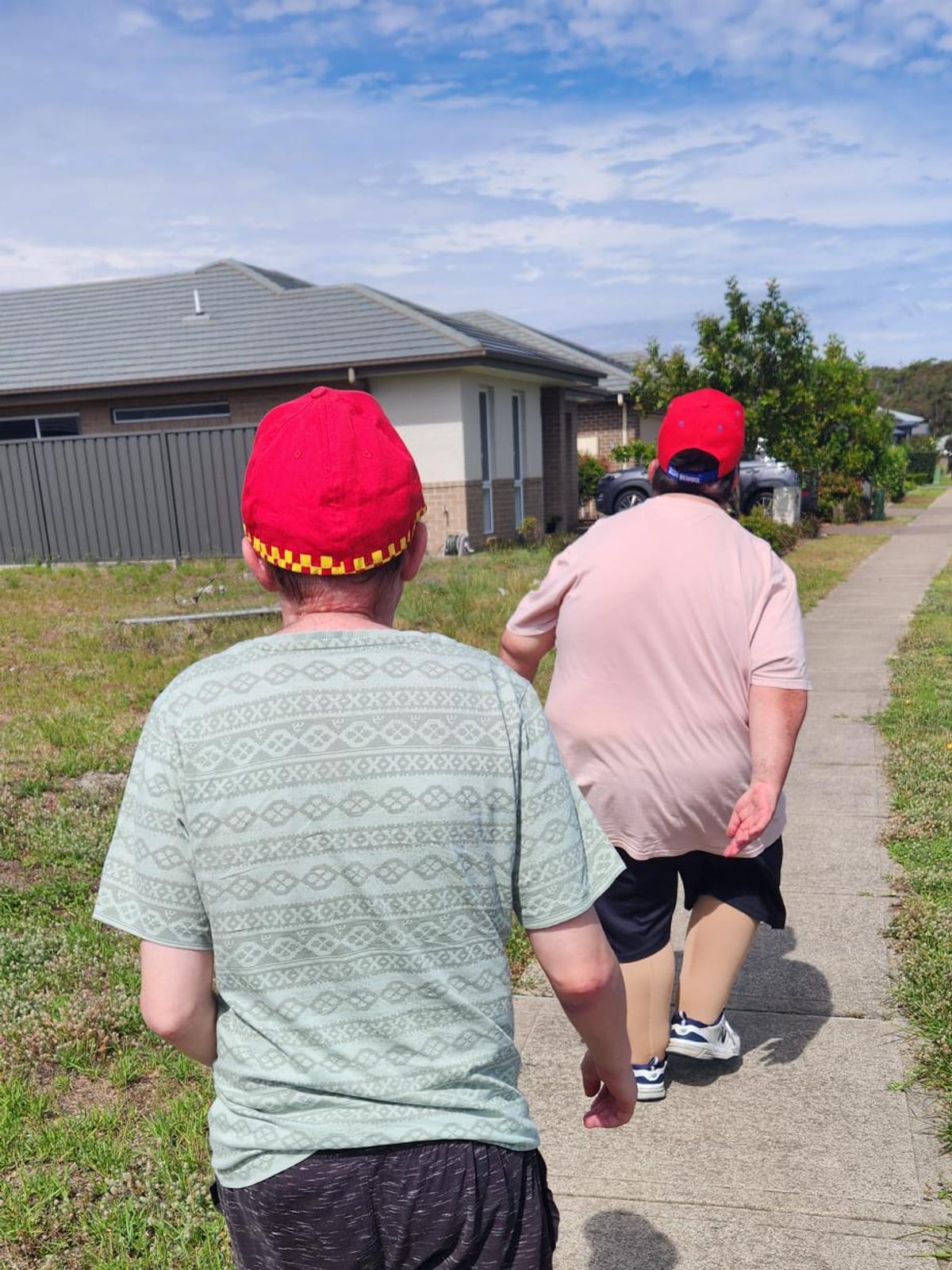
Two participants out for a walk together near one of the Sanctuary homes.

The pattern

Most arrive with the same shape.

Multiple placements behind them. A routine that's broken down. Behaviour catalogued in incidents rather than understood. A system that needs the next placement to hold.

We've been doing this work long enough to recognise the patterns and to know what stabilises them. A smaller, more personalised model. Consistent teams. Structured days. Leadership presence onsite. The slow rebuild of trust.

Outcome

16 → 0

One young adult arrived after sixteen previous placement breakdowns. Over the following months, stability increased, incidents reduced, and the team that started with him remained in place.

Proof, not promises

Here's what long-term, structured support can look like in practice.

Three anonymised cases. The first two are the ones we tell most often. The third is what continuity looks like when the model is working.

Case A · Eight months in

Multiple placement breakdowns, now a settled home.

A young adult participant came to Sanctuary following multiple placement breakdowns and significant challenges maintaining stable accommodation. Over time, stability increased, incidents reduced, and the home environment became sustainable and predictable. The team that started with him remained in place.

Outcome: What changed: routine, consistent support workers, leadership presence onsite, and a slow re-introduction to community.

Case B · From custody, in 72 hours

Emergency intake. No other provider would take it.

A participant was being released from custody with no safe address. The referral came on a Friday afternoon. We took the call, ran the assessment over the weekend, and had them in a home by Monday. AVO conditions, structured routine, and a small team in place from day one.

Outcome: The placement is holding. Justice and the family both wanted us to write down what it took, so the next person doesn't need a miracle.

Case C · Eighteen months of stability

Three providers in 18 months. The cycle stops here.

A participant cycled through three SIL providers in 18 months. We took her in with a small team and a longer onboarding than usual. Eighteen months later, the team is still there, the routine holds, and she has the stability she deserves.

Outcome: The model works when supports stay consistent. Continuity is the work.

Cases we say yes to

Four pathways we know how to work with.

These are the situations where our model holds. If yours sits close to one of these, the conversation is usually a quick one.

Out of OOHC

Young adults transitioning from foster care into adult services. Often with a long history of placement instability and a system that needs the next placement to hold. We move slowly through onboarding, with a transition window that starts months before the move-in date.

Out of justice settings

People leaving custody or community-based orders who need a stable address and a structured daily life. We've taken referrals straight from release, with AVO conditions and a small team in place from day one.

Hospital discharge

Discharge with no safe option to return to. Often urgent, always a calm intake. The hospital handover runs straight into the team that will be in the home the next morning.

After a placement breakdown

Previous SIL or group home placements that couldn't hold. We start with what went wrong before, what's changed, and what the team needs to know to make it different this time.

When the case needs it

Rapid response and funding application support.

Urgent intake

Placement set up in 72 hours.

Hospital discharge, custody release, breakdown referrals. We give a same-week read on suitability, run the assessment over the weekend if it needs to land Monday, and put a team in place from day one.

Funding application support

Support through the funding process.

When funding is the blocker between a participant and a safe home, we support Coordinators of Supports and Case Managers through the OOHC to NDIS transition, helping participants access the right supports and funding.

Send the referral.

Tell us what you're working with. We'll come back within one business day with an honest read. For anything urgent, the phone is the fastest path.