
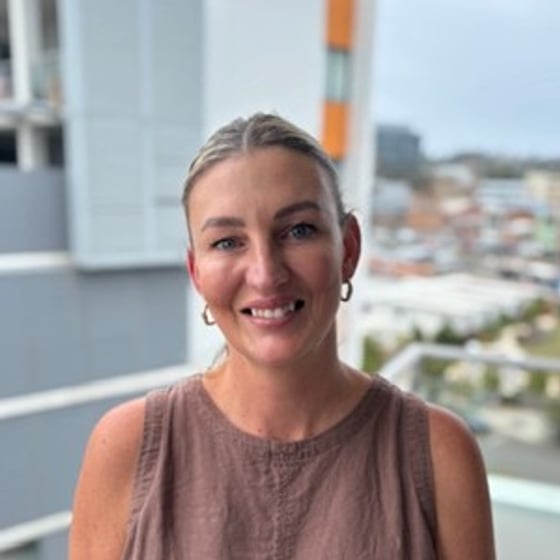
Program Manager
Bec
Bec leads the operations across her homes, keeping the teams coordinated and the supports consistent. She stays close to the participants and the detail of each home, making sure goals and routines are carried through day to day.

Our people
We're a tight team. We screen hard, hire slow, and protect the people who do the day-to-day work. Here's how we're structured and the leadership that holds it together.
Founders
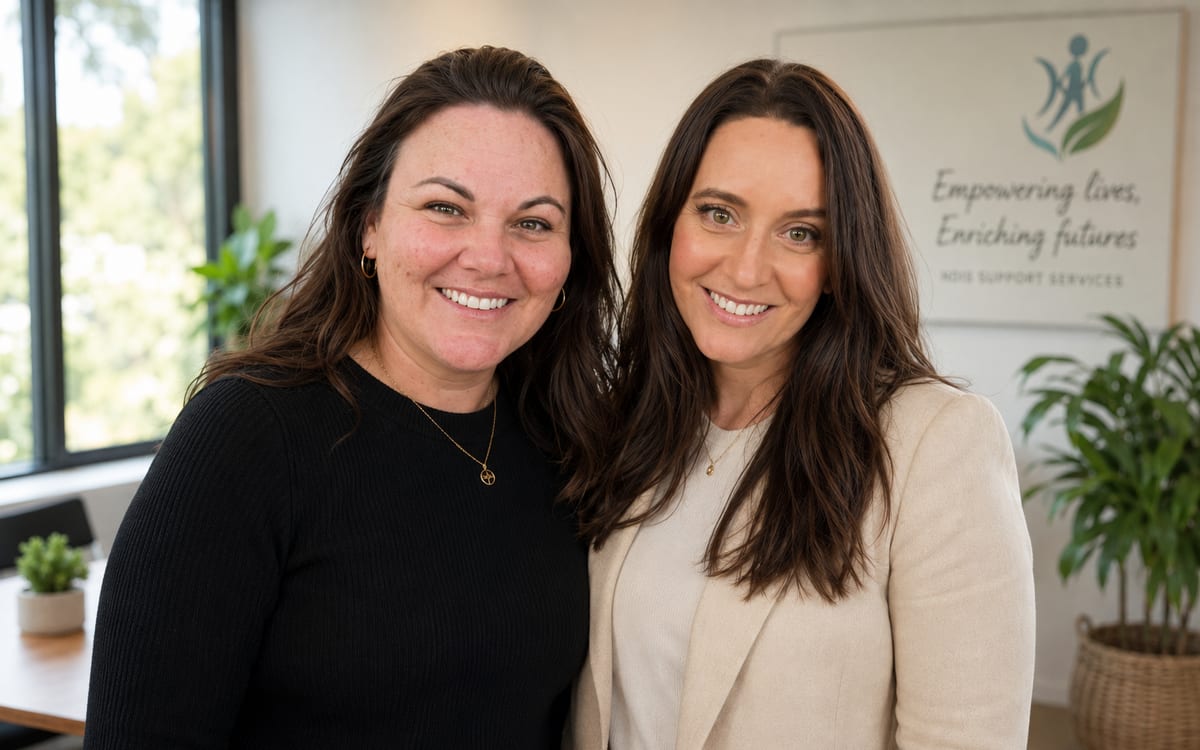
Sanctuary Family Connections was founded by Sally and Mel after years of working within organisations supporting young people in Out of Home Care (OOHC). Throughout their careers, they saw the same ongoing issue: young people with complex backgrounds and support needs were often transitioning into adult services that were not equipped to understand the trauma, behaviours, and long-term support requirements associated with leaving OOHC.
Wanting to create something different, they established Sanctuary Family Connections with a focus on stable, relationship-based supports that prioritised consistency, understanding, and long-term outcomes for young people transitioning into adulthood.
As many participants aged out of OOHC and transitioned into the NDIS, Sally and Mel recognised a significant gap within SIL services for participants with complex histories and behavioural support needs. Sanctuary was created to bridge that gap, combining the understanding and responsiveness of OOHC with the structure and long-term sustainability of NDIS supports.
Since then, Sanctuary Family Connections has expanded its SIL services to support all people requiring Supported Independent Living within the NDIS, while maintaining the same dedication, care, and person-centred approach the organisation was originally built on.
Today, Sanctuary continues to focus on creating stable homes, strong teams, and support environments where participants feel safe, understood, and genuinely supported to work towards their goals and independence.
How we're structured
Our leadership structure is designed to keep decision-making close to the participants and the homes they live in. Team Leaders and Program Managers remain actively involved in day-to-day supports, allowing decisions to be made quickly, collaboratively, and with a strong understanding of each participant's individual needs.
LAYER 01
Directors
The founders. They make the calls on growth, intake, and what we'll and won't take on. Both spend time in the homes every week.
LAYER 02
Mentor Role
The role that protects the closeness Sanctuary was built on. Steadies the team when things destabilise. Catches issues before they need escalation.
LAYER 03
Program Managers
Operational lead for each home. They know the team roster, the participant routines, and what's coming up this week.
LAYER 04
Team Leaders
Management within the home. They oversee the home environment, participant supports, team coordination, reporting, appointments, and day-to-day operations.
LAYER 05
Support Workers
The team that does the day-to-day work. The ones the participants see every shift. The ones we screen hardest to bring on.
The mentor function
As Sanctuary grew, it became important to maintain the same level of connection, oversight, and consistency that the organisation was built on. That closeness needed someone whose job it was to hold it.
The mentor sits with the team. They eat lunch in the homes. They listen for the early signs that something is starting to fray, and steady the room before it does.
It's not management or compliance. It's the role that protects the closeness the organisation was built on, and catches issues early, before they need escalation.
Program Managers
Each home has a program manager who knows the team roster, the participant routines, and what's coming up that week. They sit one layer above the team leader and one layer below the directors. They're the person who keeps the home running.
Program managers are the bridge between what's happening in the home and what's happening across the organisation. They're how decisions made at the directors' table land in the right shifts.
Team Leaders
Team Leaders oversee all aspects of the home environment, participant supports, team coordination, reporting, appointments, communication, and day-to-day operations.
They provide direct leadership and guidance to teams while ensuring participant goals, routines, and support needs are consistently met.
Our Program Managers
Our Program Managers are the operational leads across our homes. They keep each home running day to day, supporting the teams, the routines, and the participants in them.
Program Manager
Bec
Bec leads the operations across her homes, keeping the teams coordinated and the supports consistent. She stays close to the participants and the detail of each home, making sure goals and routines are carried through day to day.
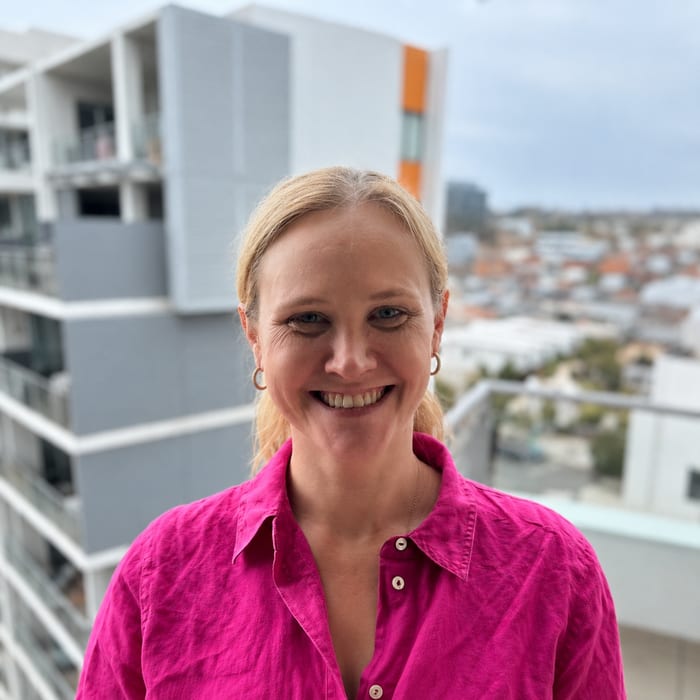
Program Manager
Belle
Belle plays a key role in ensuring Sanctuary Family Connections runs smoothly behind the scenes. Leading compliance, HR, and participant intake, she helps build strong teams, supports families through the onboarding process, and ensures our services maintain the highest standards of quality and care. Her attention to detail and commitment to doing things properly help create positive outcomes for participants, families, and staff alike.
Our support workers
Our support workers are the people participants see every shift. They do the day-to-day work: the routines, the meals, the activities, and the steady presence that makes a home feel like one.
They work in consistent teams around each participant, so familiar faces carry the routine through the week. They are the team we screen hardest to bring on, because the relationship between a participant and the people supporting them is what the whole model rests on.
How we hire
We receive over 200 applications for most advertisements, however only a small number progress through our recruitment process. On average, around five team members are hired from every 200 applications received.
Our recruitment process is intentionally thorough because we are not simply hiring to fill shifts: we are building long-term teams around participants with complex support needs.
We look for people who are emotionally mature, resilient, adaptable, and capable of working within highly relational support environments. Experience is important, but so is a person's ability to remain calm under pressure, communicate effectively, work collaboratively, and build safe, respectful relationships with participants and teams.
Taking a slower and more selective approach to recruitment allows us to maintain consistency across our homes and create support environments that are stable, sustainable, and participant-focused.
We're always interested in hearing from experienced support workers who want a steady team and meaningful work.