

How we work
How we build a home that holds.
The model is intentionally smaller and more personalised. Small teams, consistent leadership presence, and the same handover discipline at every shift. It's built around what makes a SIL placement hold over time, not what fills a vacancy.
The model
Six things we've learned to protect.
- 01
A smaller, more personalised model.
A small number of participants per home, sized for the people in it. Predictable structure for meals, activities and the rhythm of the day, aligned with each participant's needs and goals. The kind of consistency that lets a nervous system settle.
- 02
We screen hard and hire slow.
We never compromise on the quality of our team. We'd rather leave a position unfilled than place someone who isn't the right fit for the role, the participant, or the home.
- 03
Leadership in the home, not just on the org chart.
Program Managers complete regular visits, while Team Leaders work onsite four days per week and attend appointments and meetings to ensure participant goals and needs are consistently supported.
- 04
The right participant match for each home.
We focus on finding the right participant match for each home, not simply filling vacancies. The fit between the person, the home, and the team is what makes a placement hold.
- 05
Open communication, even when it’s uncomfortable.
We tell referrers what we're actually seeing, including the parts they didn't want to hear. That's the only way the next decision gets made on real information.
- 06
Funding application support.
We support Coordinators of Supports and Case Managers through the transition from OOHC to NDIS, helping ensure participants receive the supports and funding aligned with their needs.
The mentor function
The role we built to protect what Sanctuary was at the start.
As Sanctuary grew, it became important to maintain the same level of connection, oversight, and consistency that the organisation was built on. That closeness needed someone whose job it was to hold it.
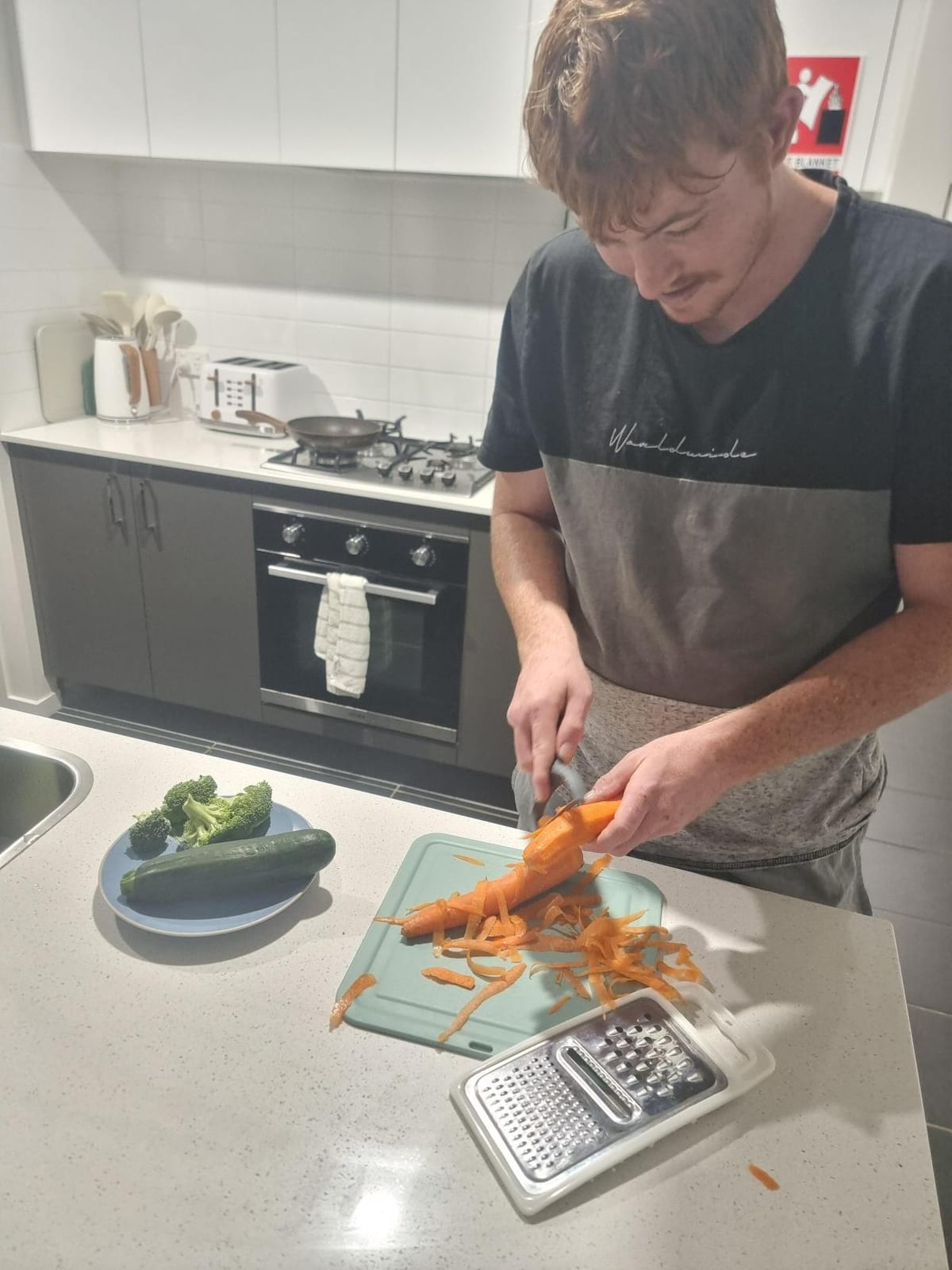
The mentor sits with the team. They eat lunch in the homes. They listen for the early signs that something is starting to fray, a participant losing routine, a team member running flat, a small thing in a handover that the next shift won't catch.
It's not management or compliance. It's the role that protects the closeness the organisation was built on, and catches issues early, before they need escalation.
Transitions
Most of our work starts three months before the participant moves in.
Sometimes it's three months. Sometimes longer. We've started planning years out when the move-in date is fixed by something else.
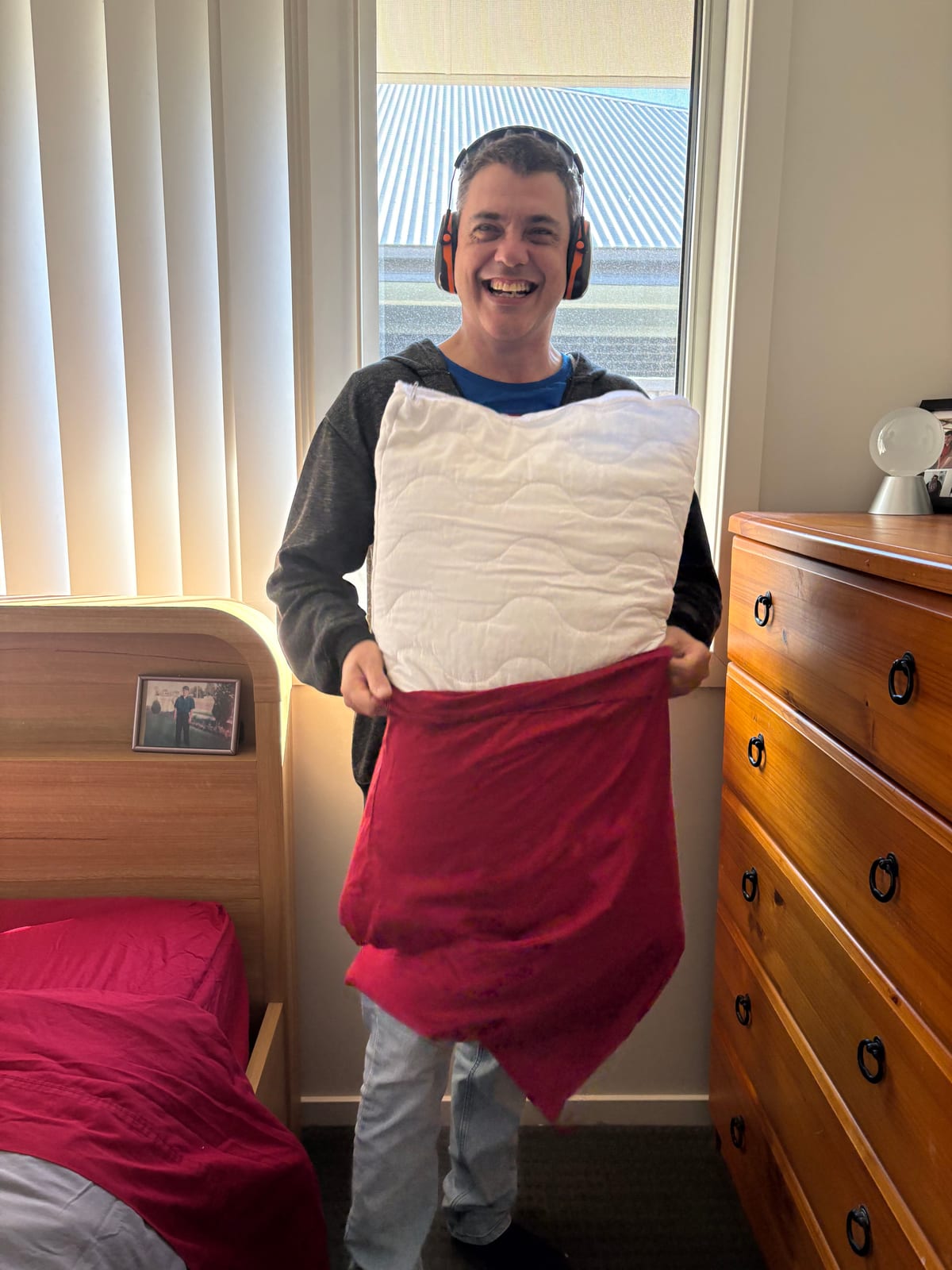
When a referral lands we start with what's in place: who knows the participant, what's worked, what hasn't. From there it's the prep: a detailed participant profile, behaviour support plan training for the team, a menu plan tailored to what they like, a gift that matches their interest, finishing touches in their bedroom so it feels theirs before they walk through the door.
Team Leaders are onsite four days a week through the settling-in period, with the rest of the team layered in around them. No one walks into a brand new face. The handover from the previous placement, the family, or the case manager runs straight into the team that will be in the home tomorrow.
Most referrers say the first conversation is the difference.
Tell us how we can help. We'll give you an honest read and a clear answer.